About
Technology in service of a place
Gandikota Heritage Explorer is a B.Tech CSE project. Its aim is simple: use software to make a heritage site easier to understand, easier to visit responsibly and harder to forget.
The idea
Why this project exists
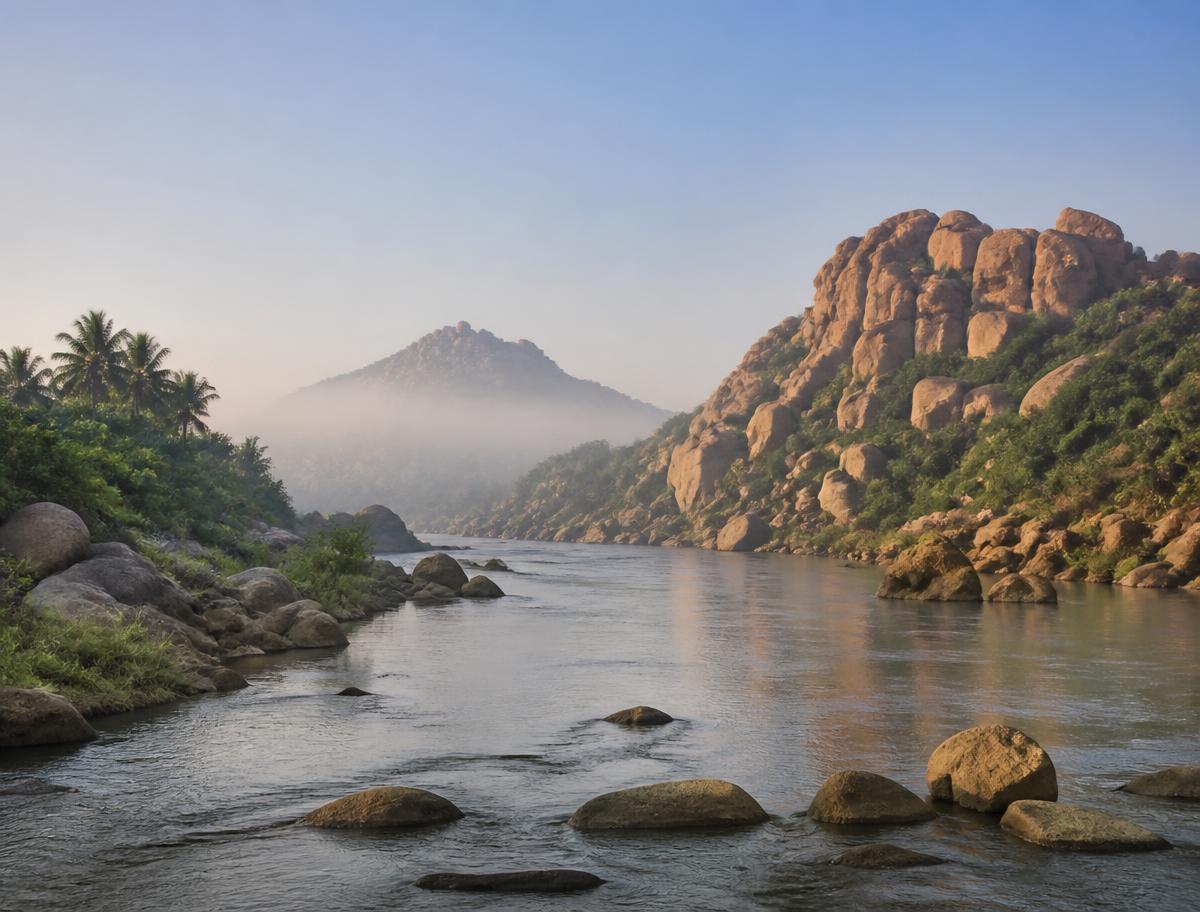
Gandikota has the architecture of a major heritage destination and the landscape of a national park, yet most first-time visitors arrive with very little orientation. Information is scattered, practical guidance is thin, and the site's fragility rarely comes across before you are standing at an unfenced rim.
This project gathers heritage, nature, culture and practical travel information into one considered interface, and pairs it with two pieces of software that a computer science student can realistically build and extend: a question-answering guide and an itinerary generator.
Version 1 is a frontend foundation. Content is centralised in a single data module so that a database, an authentication layer or a real model can be introduced later without redesigning the site.
Built with
- React 19 with TypeScript
- Vite build tooling and TanStack Start routing
- Tailwind CSS v4 with a semantic token system
- Component-based architecture with reusable primitives
- IntersectionObserver-driven scroll reveals
- Accessible, keyboard-friendly navigation and controls
A note on accuracy
This site deliberately does not publish opening hours, ticket prices or transport timetables. Those change, and publishing unverified numbers would mislead travellers. Every such item is marked as something to verify locally.
Roadmap
Where the project goes next
The architecture leaves clear seams for each of these to be added without a rewrite.
AI chatbot with a real language model
Database-backed heritage catalogue
Interactive maps with live coordinates
Recommendation system for itineraries
Machine learning for visitor insights
Cloud deployment and analytics
Visitor information
Practical things worth knowing
General guidance for planning a visit, kept deliberately free of unverified specifics.
How to reach
- Gandikota is in Kadapa district, Andhra Pradesh, near Jammalamadugu.
- Most visitors arrive by road from Kadapa, Kurnool, Bengaluru or Hyderabad.
- Jammalamadugu is the nearest town for road connections; Kadapa is the nearest major rail and air hub.
- Verify current road, bus and train options before travelling.
Suggested duration
- Half a day covers the fort, main temples and one viewpoint at a brisk pace.
- A full day allows sunrise, unhurried exploration and sunset.
- Two days suit photography, nearby attractions and a slower visit.
Nearby attractions
- Belum Caves — an extensive cave system in the same region.
- Yaganti and other regional temple sites.
- Mylavaram reservoir area and the surrounding Rayalaseema landscape.
- Distances and access vary; plan routes locally.
Visitor tips
- Carry water, sun protection and sturdy shoes — the terrain is rocky and exposed.
- Cliff edges are natural and unfenced. Keep a safe distance at all times.
- Facilities are limited; plan food and fuel in advance.
- Mobile signal can be patchy around the gorge.
Protecting Gandikota for Future Generations
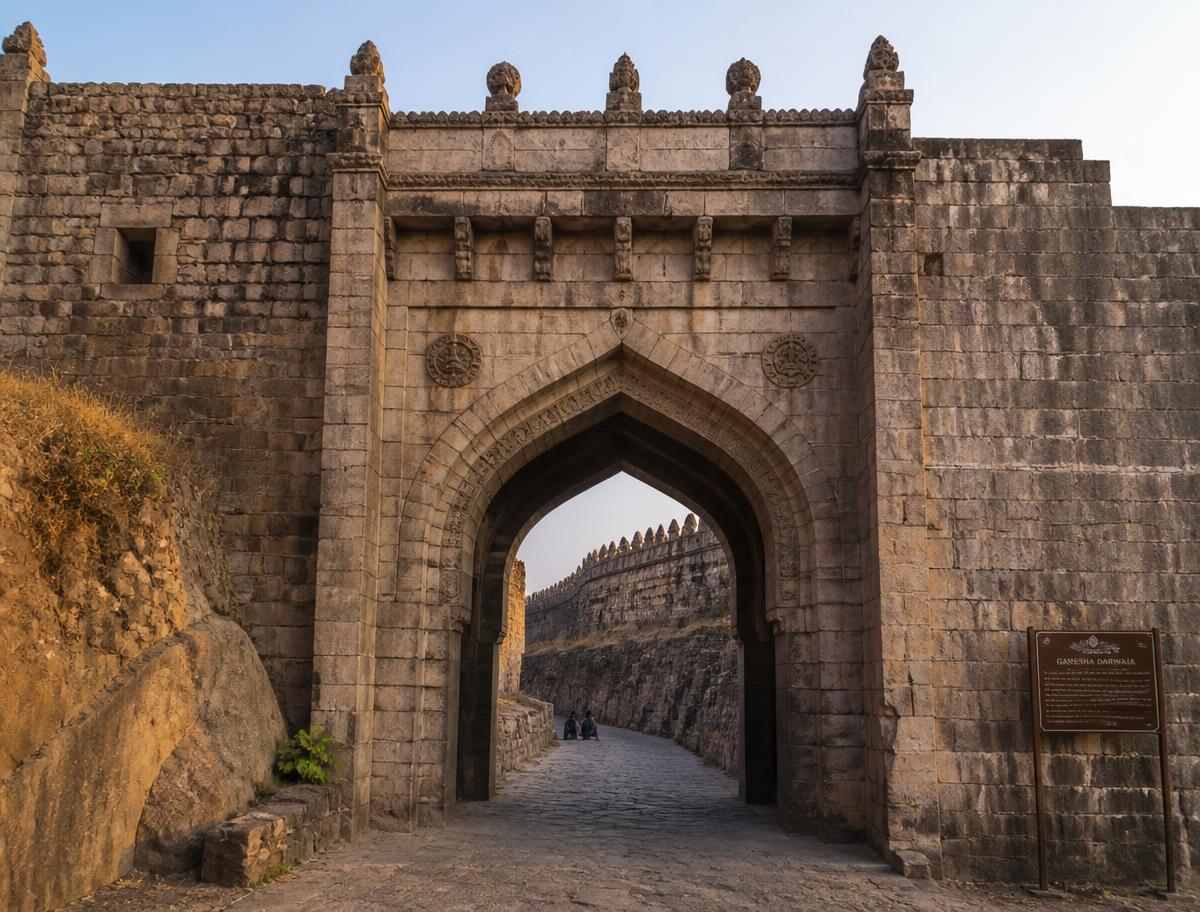
Granite weathers, carvings erode and a canyon does not recover from being loved to death. What survives depends far more on visitor behaviour than on any single conservation programme.
Protect historical structures
Do not climb on walls or carvings, and never scratch, mark or remove stone.
Avoid littering
Carry every wrapper and bottle back out with you. There are few bins on site.
Respect monuments
Temples remain places of belief. Observe quietly and follow any local instruction.
Preserve local culture
Ask before photographing people, and buy from local vendors where you can.
Support responsible tourism
Stay on established paths, avoid loud music and travel in small groups.
Leave the landscape intact
No fires, no graffiti, no moving rocks — the canyon is a living ecosystem.